
Running Like Clockwork
Active Workplace Group’s FM Engineers run preventative maintenance programmes (PPMs) for a broad range of clients. They are experts in running a scheduled system of inspections, that include servicing, testing and minor repairs intended to keep a building safe, compliant, reliable and energy efficient. Most importantly, it helps our clients manage risks and costs associated with reactive repairs or equipment failures.
PPM with Purpose
A well designed and operated PPM protects people, reduces disruption and extends asset life for our clients. A well-managed programme identifies small issues – such as blocked condensate drains, worn door seals, low water temperatures or unusual noise – before they become failures, safety incidents or costly emergency callouts.
We work with Facility Managers, or other responsible persons, to build and maintain an asset register that contains each system’s location, make, model, serial number, installation date, warranty details, service history, manuals, certificates and next-due dates.
Each task states:
- The asset or area to be checked.
- The required frequency.
- The scope of work and acceptance criteria.
- Who is competent to undertake it.
- Any statutory certificate or report required.
- The remedial action, priority and completion date.
Our engineer’s work hard to ensure that frequency is proportionate to the equipment’s age, criticality, usage, environment and manufacturer guidance. They also ensure that equipment exposed to deterioration is inspected at suitable intervals, with the timing determined through risk assessment, operating conditions, manufacturer advice and experience of previous failures.
Special Mention to HVAC
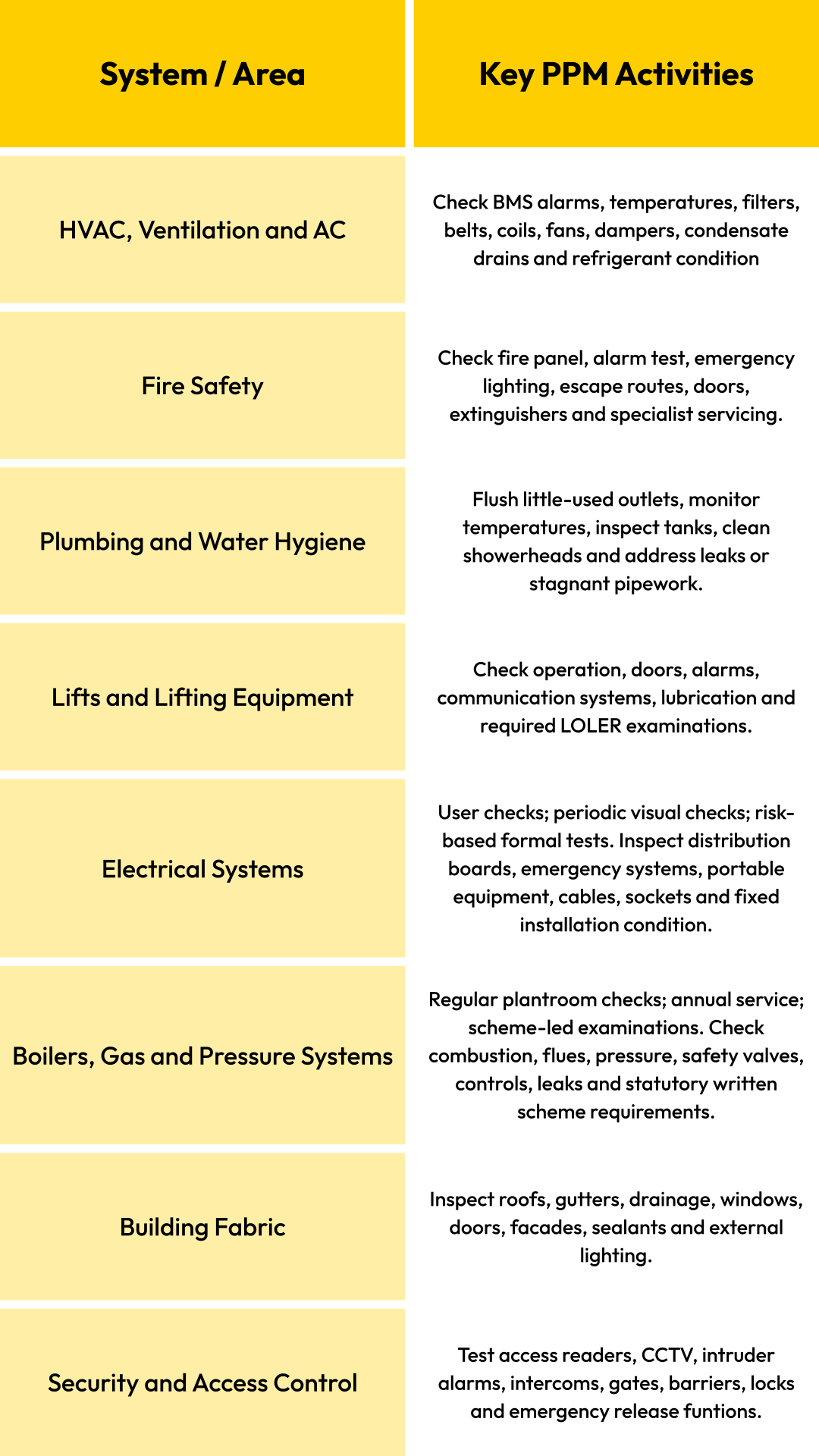
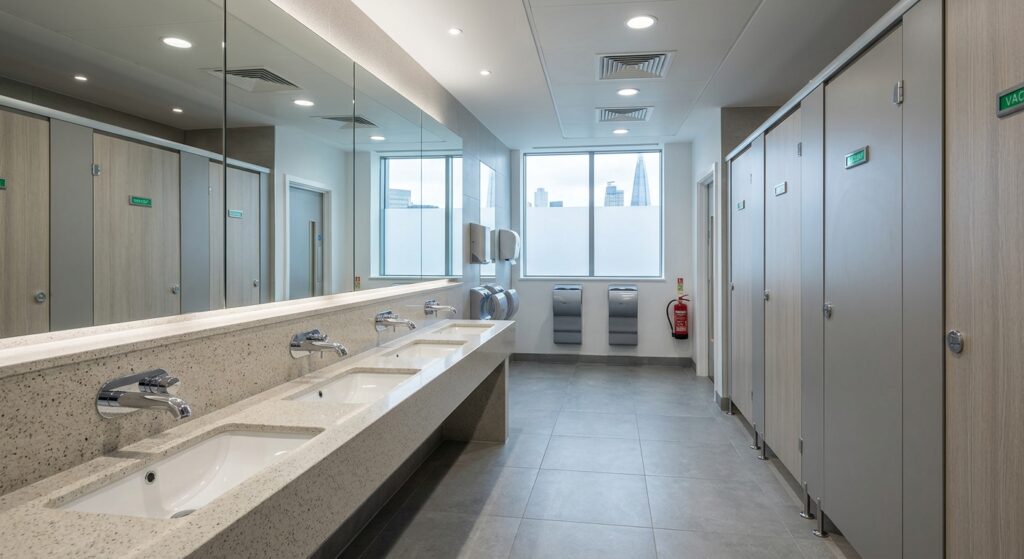
Hot summers not withstanding, HVAC is one of the highest energy-consuming and most business-critical building systems. Inadequate maintenance can create comfort complaints, poor indoor air quality, excess energy use, water leaks and equipment failure. Daily or weekly checks should review BMS alarms, plant-room temperatures, unusual noise or vibration, visible leaks, pressure readings and room-temperature complaints. Monthly tasks should normally include checking and replacing filters as necessary; inspecting fan belts, bearings, motors and dampers; clearing condensate trays and drains; and checking coils for contamination. Dirty filters and coils increase fan energy, reduce airflow and place unnecessary strain on equipment. Active’s PPM service covers refrigerant circuits, electrical components, controls, airflow, condensate management, coil cleaning and seasonal performance. And of course, our engineers aim to schedule a cooling-system service before summer and a heating plant service before winter wherever possible.
Protecting Lives
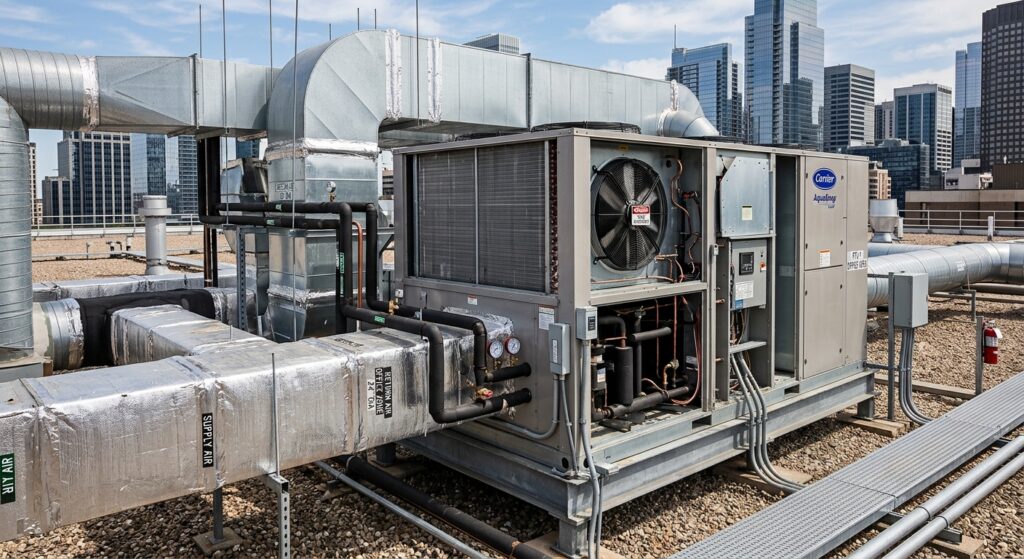
The fire safety within Active’s PPM’s is always driven by the fire risk assessment and the buildings specific fire strategy, It is imperative to ensure escape routes, alarms, emergency lighting, doors and firefighting equipment remain effective. A practical routine is a daily check on the fire alarm panel for faults; ensure escape routes, stairwells and final exits are clear; identify wedged fire doors, damaged signage or inaccessible extinguishers. Government office guidance recommends weekly testing of fire-detection and warning systems and the monthly functional test of emergency lighting, fire doors, extinguisher locations and confirmation that the evacuation plans and notices remain current. At six-monthly intervals our engineers will ensure that the alarm and automatic detection systems are competently serviced. They will also typically work with the client to arrange full emergency-lighting discharge testing, extinguisher maintenance, review staff training and conduct an evacuation drill. Fire risk assessments do not have a fixed legal review interval but must be reviewed regularly and whenever a change may make the existing assessment invalid – for example, a fit-out, change of occupancy, revised layout, new process or change in vulnerable occupants. For simple premises, an annual review is recognised good practice.
Plumbing and Water Hygiene
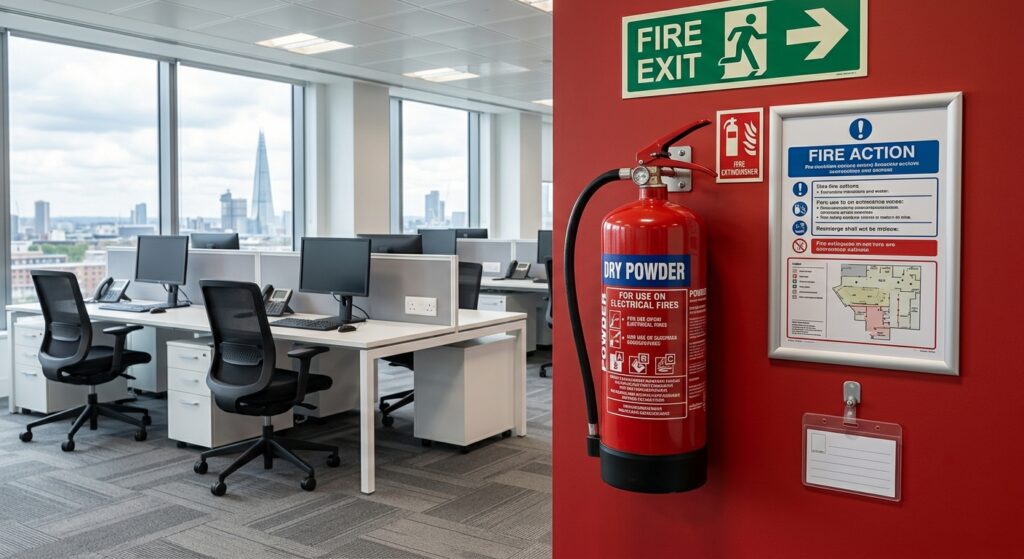
Water systems need PPM both to prevent leaks and blockages and to control Legionella risk. Particular attention is needed as per periods of low occupancy, refurbishments, closure, changes in use or where there are showers, calorifiers, cold-water storage tanks, cooling equipment or long pipe runs. A water-hygiene regime should include weekly flushing of little-used outlets, including taps and showerheads. HSE guidance also recommends cleaning and descaling showerheads and hoses at least quarterly. Our engineers can remove redundant pipework and ‘dead legs’ where possible, because stagnant water increases microbiological risk.
For temperature controlled systems, our FM team will check designated sentinel outlets monthly. Hot water should generally be stored at 60°C or above and distributed at 50°C or above; cold water should be stored and distributed below 20°C. Cold-water tank temperatures should be checked at least every six months, alongside periodic tank inspection and cleaning.
Our engineers keep a written Legionella risk assessment, schematic drawings, monitoring log, flushing records, temperature results, cleaning records and evidence of corrective action. Routine Legionella sampling is not normally required for enclosed hot and cold water systems unless there is doubt about the control regime or temperature controls are not being achieved consistently. However, Active can arrange this if required.
Lifts, Electrical and Plant Systems
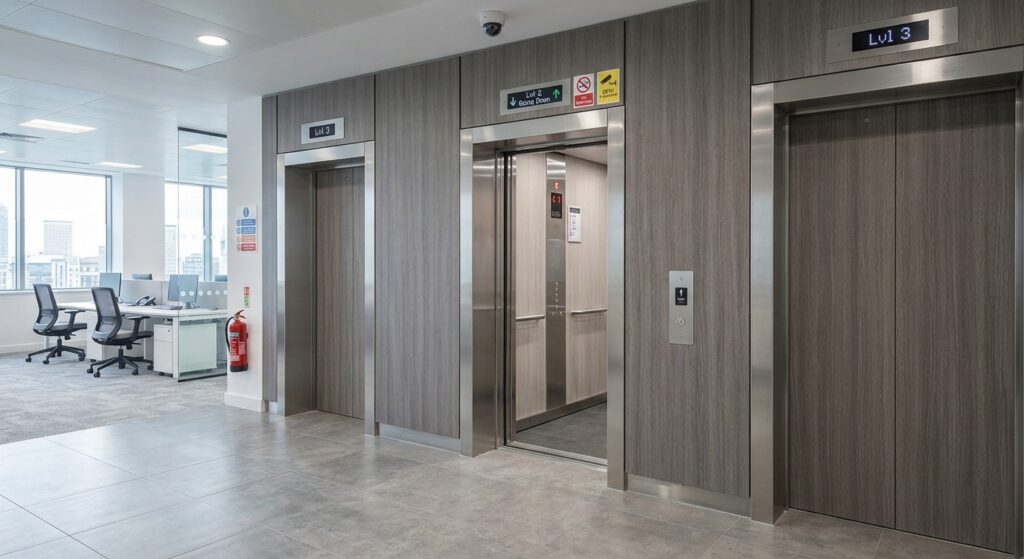
Passenger lifts should have a planned maintenance visit by an FM engineer, commonly monthly or according to usage and contract scope – to check ride quality, levelling, door operation, alarms, emergency communication, lights, safety edges and cleanliness of pits and machine rooms. However, maintenance is not the same as a statutory thorough examination. Under LOLER, lifts used to carry people require examination by a competent person at least every six months; goods-only lifts normally require examination every 12 months, unless an appropriate written examination scheme specifies otherwise.
Electrical PPM should include condition checks on distribution boards, signs of overheating, loose sockets, damaged cables, emergency lighting and portable equipment. Portable appliance testing should be risk-based rather than treated as a blanket annual exercise. HSE’s suggested intervals, for example, include formal visual inspection of office IT equipment every one to two years; double-insulated office equipment may not need routine combined inspection and testing, while Class 1 equipment may require testing every one to two years.
Gas appliances, associated pipework, flues and safety devices must be maintained safely by a Gas Safe registered engineer. Annual inspection and servicing is a sensible minimum general rule, subject to manufacturer instructions and the equipment’s use. Boilers, air receivers and other pressure systems may require a written scheme of examination prepared or certified by a competent person; that scheme sets the examination scope and maximum interval.
Bricks and Mortar
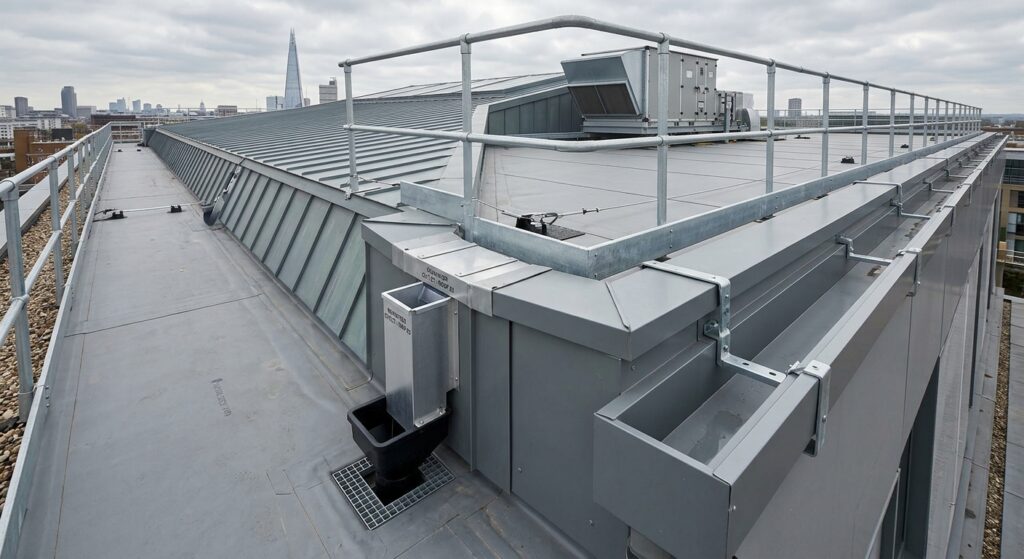
Finally, our engineers will review roofs, gutters, drainage, external doors, facades and building seals seasonally and as per severe weather. These relatively low-cost inspections can prevent water ingress, mould, heat loss and larger fabric repair liabilities. A successful PPM programme is therefore not simply a calendar of contractor visits. It is a live compliance and asset management system; inspect, record, remedy, verify and use recurring faults to improve the maintenance plan.
Ready for a Smarter Approach to Facilities Management?
A well-planned PPM programme can reduce unexpected breakdowns, control maintenance costs, protect your people and keep your workplace performing at its best.
At Active Workplace Group, we provide tailored Facilities Management and planned maintenance solutions designed around your building, assets and operational needs. From HVAC and fire safety to electrical systems, water hygiene and building fabric, our experienced engineers help you stay ahead of issues before they become costly problems.
Want to make your facilities work harder for your business?
Get in touch with Active Workplace Group to discuss a smarter, more proactive approach to Facilities Management.
✉️ hello@activeworkplacegroup.co.uk
📞 0118 944 2903